22 Oct 2026
The Interplay of Transaction Pathways and Voluntary Restriction Tools During Mobile Live Sessions with Major Software Developers
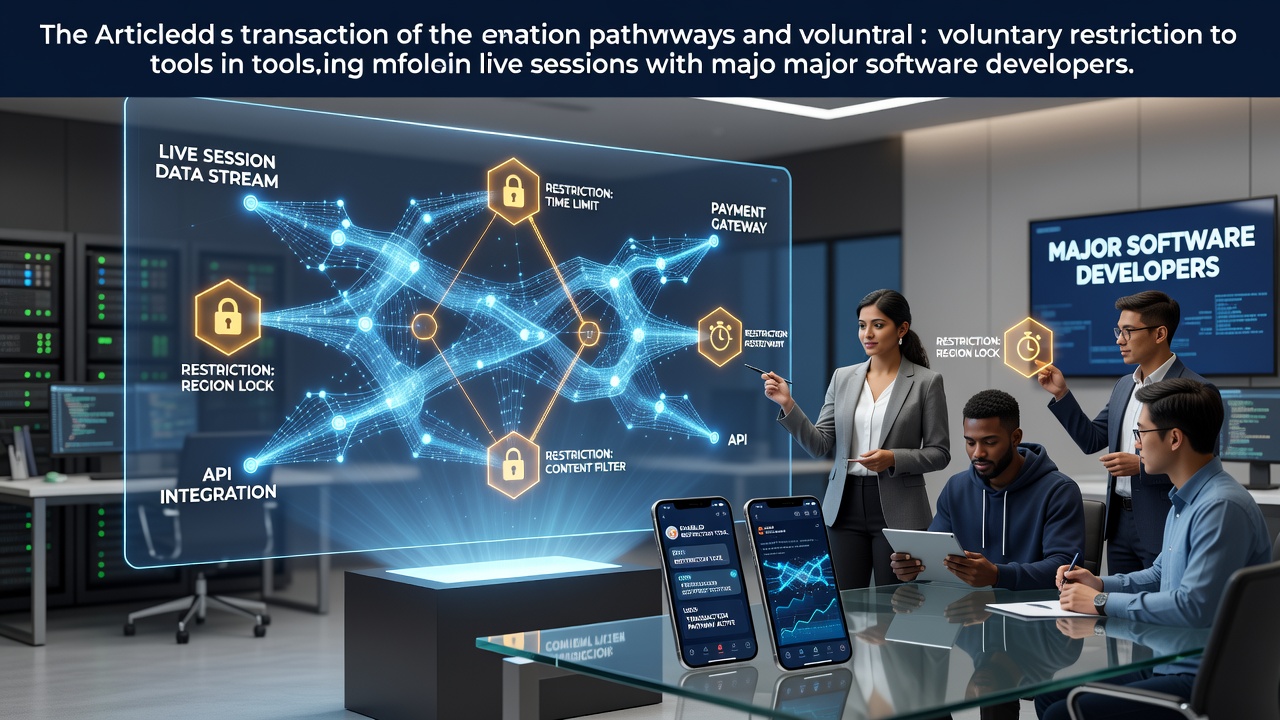
Transaction pathways in mobile live sessions refer to the sequences of payment processing, fund transfers, and account updates that occur during real-time interactions with gaming platforms developed by major software providers, and voluntary restriction tools operate as user-activated mechanisms that impose limits on deposits, session durations, or betting amounts within those same environments.
Core Components of Transaction Pathways
Mobile live sessions rely on integrated payment gateways that connect user devices directly to financial networks while software developers embed APIs to handle instant verifications and balance adjustments, and these pathways often incorporate multiple layers including authentication servers, risk assessment modules, and settlement processors that function simultaneously during active play. Data from industry reports indicate that major developers such as those supplying live dealer platforms have refined these systems to support low-latency operations across global networks, which allows transactions to complete within seconds even when users switch between cellular and Wi-Fi connections.
Voluntary Restriction Tools in Practice
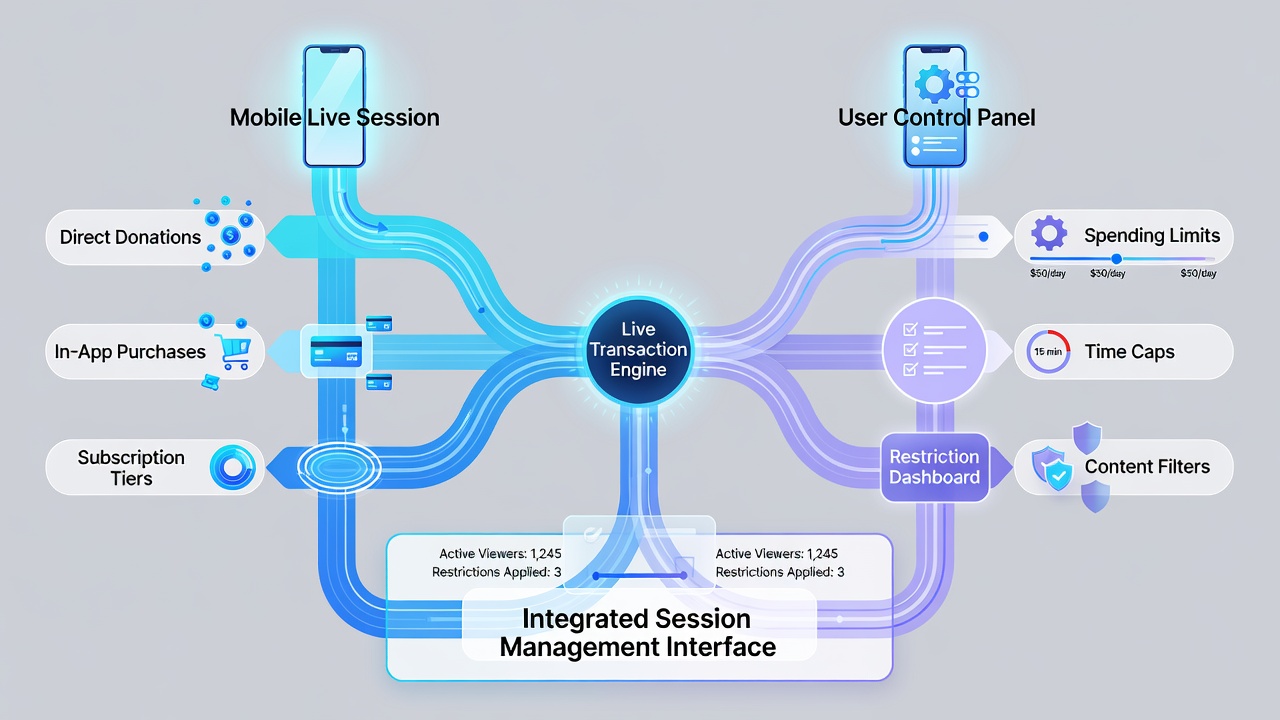
Voluntary restriction tools appear in mobile interfaces as customizable settings where users select parameters for deposit caps, loss thresholds, or time-based pauses, and these features integrate at the account level so that any attempt to exceed chosen limits triggers an automatic block processed through the same transaction pathways. Observers note that implementation varies by developer, with some embedding the controls directly into live session dashboards for immediate access while others route adjustments through separate account management portals that sync in real time with ongoing sessions.
Integration Challenges and Technical Interplay
When transaction pathways encounter active restriction tools, the systems must communicate bidirectionally to enforce limits without interrupting live session continuity, and developers achieve this through shared databases that update restriction status instantly upon any payment request. In October 2026 regulatory filings from several jurisdictions highlighted how these combined mechanisms reduced unauthorized overspending incidents by measurable percentages across mobile platforms, while software providers continued to update their protocols to handle edge cases such as pending transactions that straddle the moment a user activates a new limit.
Researchers at academic institutions have examined these interactions through controlled studies, and findings show that seamless data exchange between payment processors and restriction modules depends on standardized protocols that major developers adopt to maintain compliance across different markets. One study revealed that platforms using unified APIs experienced fewer synchronization errors during high-volume live sessions compared to those relying on modular add-ons.
Regional Data and Developer Approaches
Figures from the Victorian Responsible Gambling Foundation indicate that mobile users in Australia activated voluntary limits more frequently during live sessions in 2026 than in prior years, coinciding with updates from leading software developers that streamlined the activation process within active game interfaces. Similar patterns emerged in Canadian provincial reports where transaction monitoring combined with user-set restrictions produced documented declines in extended play periods without corresponding revenue losses for operators.
Major developers have responded by embedding restriction prompts at natural breakpoints in live sessions, such as between rounds or during dealer changes, which allows users to adjust settings without leaving the mobile application entirely. This approach connects transaction pathways directly to restriction enforcement so that any deposit attempt routes through a preliminary check against current limits before funds transfer initiates.
Future Technical Developments
Software developers continue to test machine learning models that predict when users might benefit from restriction suggestions based on transaction history patterns, and these models operate alongside existing voluntary tools without overriding user choices. European trade associations have published guidelines encouraging consistent data formatting between payment systems and restriction modules to support cross-border mobile sessions, while Australian researchers have documented how such alignments improve enforcement accuracy during peak usage times.
Conclusion
The interplay between transaction pathways and voluntary restriction tools shapes how mobile live sessions function under major software developers by requiring constant synchronization between payment processing and user-defined limits, and ongoing technical refinements in October 2026 reflect broader industry efforts to maintain operational integrity across diverse regulatory landscapes. Data from multiple regions continue to inform these developments as developers refine integration methods to support both smooth transactions and effective restriction enforcement.